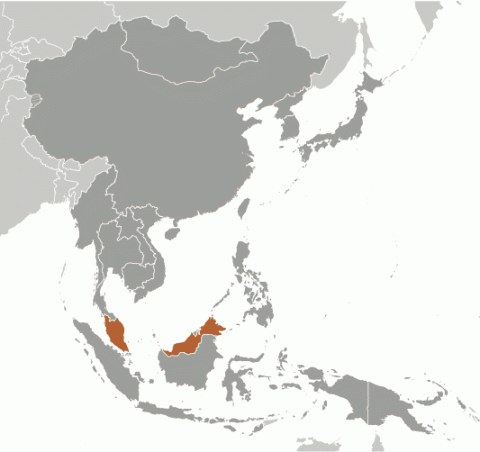
There are reports that adults are forced to produce rubber gloves in Malaysia. Forced labor predominately occurs among migrant laborers from Bangladesh, India, Myanmar, and Nepal working in more than 100 rubber glove factories throughout Malaysia. Reports indicate that there are an estimated 42,500 migrant workers employed in the Malaysian rubber glove industry. Workers are frequently subject to high recruitment fees to secure employment that often keeps them in debt bondage; forced to work overtime in excess of the time allowed by Malaysian law; and work in factories where temperatures can reach dangerous levels. Additionally, laborers work under the threat of penalties, which include the withholding of wages, restricted movement, and the withholding of their identification documents.
ILAB has reason to believe that multiple palm oil products produced in Malaysia are produced with an input derived from child labor and forced labor, specifically palm fruit produced in Malaysia. These palm oil products include crude palm oil, crude palm kernel oil, refined palm oil, refined palm kernel oil, cooking oil (palm oil blends), oleochemicals, and biofuel. Palm fruit from Malaysia was added to ILAB’s List of Goods Produced by Child Labor or Forced Labor in 2009 for forced labor and added in 2014 for child labor. Research from NGOs and media reports continue to show tens of thousands of children work in the palm fruit sector in Malaysia. Similar reporting shows forced labor indicators are widespread in palm fruit plantations, particularly among migrant workers who face vulnerabilities during and after recruitment. This research suggests that further worldwide downstream products of palm fruit and palm oil, such as animal feed, baked goods, beverages, household and industrial products, personal care products, cosmetic products, infant formula, and shortening, may be produced with an input produced with child labor and forced labor.
ILAB has reason to believe that multiple palm oil products produced in Malaysia are produced with an input derived from child labor and forced labor, specifically palm fruit produced in Malaysia. These palm oil products include crude palm oil, crude palm kernel oil, refined palm oil, refined palm kernel oil, cooking oil (palm oil blends), oleochemicals, and biofuel. Palm fruit from Malaysia was added to ILAB’s List of Goods Produced by Child Labor or Forced Labor in 2009 for forced labor and added in 2014 for child labor. Research from NGOs and media reports continue to show tens of thousands of children work in the palm fruit sector in Malaysia. Similar reporting shows forced labor indicators are widespread in palm fruit plantations, particularly among migrant workers who face vulnerabilities during and after recruitment. This research suggests that further worldwide downstream products of palm fruit and palm oil, such as animal feed, baked goods, beverages, household and industrial products, personal care products, cosmetic products, infant formula, and shortening, may be produced with an input produced with child labor and forced labor.
ILAB has reason to believe that multiple palm oil products produced in Malaysia are produced with an input derived from child labor and forced labor, specifically palm fruit produced in Malaysia. These palm oil products include crude palm oil, crude palm kernel oil, refined palm oil, refined palm kernel oil, cooking oil (palm oil blends), oleochemicals, and biofuel. Palm fruit from Malaysia was added to ILAB’s List of Goods Produced by Child Labor or Forced Labor in 2009 for forced labor and added in 2014 for child labor. Research from NGOs and media reports continue to show tens of thousands of children work in the palm fruit sector in Malaysia. Similar reporting shows forced labor indicators are widespread in palm fruit plantations, particularly among migrant workers who face vulnerabilities during and after recruitment. This research suggests that further worldwide downstream products of palm fruit and palm oil, such as animal feed, baked goods, beverages, household and industrial products, personal care products, cosmetic products, infant formula, and shortening, may be produced with an input produced with child labor and forced labor.
ILAB has reason to believe that multiple palm oil products produced in Malaysia are produced with an input derived from child labor and forced labor, specifically palm fruit produced in Malaysia. These palm oil products include crude palm oil, crude palm kernel oil, refined palm oil, refined palm kernel oil, cooking oil (palm oil blends), oleochemicals, and biofuel. Palm fruit from Malaysia was added to ILAB’s List of Goods Produced by Child Labor or Forced Labor in 2009 for forced labor and added in 2014 for child labor. Research from NGOs and media reports continue to show tens of thousands of children work in the palm fruit sector in Malaysia. Similar reporting shows forced labor indicators are widespread in palm fruit plantations, particularly among migrant workers who face vulnerabilities during and after recruitment. This research suggests that further worldwide downstream products of palm fruit and palm oil, such as animal feed, baked goods, beverages, household and industrial products, personal care products, cosmetic products, infant formula, and shortening, may be produced with an input produced with child labor and forced labor.
ILAB has reason to believe that multiple palm oil products produced in Malaysia are produced with an input derived from child labor and forced labor, specifically palm fruit produced in Malaysia. These palm oil products include crude palm oil, crude palm kernel oil, refined palm oil, refined palm kernel oil, cooking oil (palm oil blends), oleochemicals, and biofuel. Palm fruit from Malaysia was added to ILAB’s List of Goods Produced by Child Labor or Forced Labor in 2009 for forced labor and added in 2014 for child labor. Research from NGOs and media reports continue to show tens of thousands of children work in the palm fruit sector in Malaysia. Similar reporting shows forced labor indicators are widespread in palm fruit plantations, particularly among migrant workers who face vulnerabilities during and after recruitment. This research suggests that further worldwide downstream products of palm fruit and palm oil, such as animal feed, baked goods, beverages, household and industrial products, personal care products, cosmetic products, infant formula, and shortening, may be produced with an input produced with child labor and forced labor.
ILAB has reason to believe that multiple palm oil products produced in Malaysia are produced with an input derived from child labor and forced labor, specifically palm fruit produced in Malaysia. These palm oil products include crude palm oil, crude palm kernel oil, refined palm oil, refined palm kernel oil, cooking oil (palm oil blends), oleochemicals, and biofuel. Palm fruit from Malaysia was added to ILAB’s List of Goods Produced by Child Labor or Forced Labor in 2009 for forced labor and added in 2014 for child labor. Research from NGOs and media reports continue to show tens of thousands of children work in the palm fruit sector in Malaysia. Similar reporting shows forced labor indicators are widespread in palm fruit plantations, particularly among migrant workers who face vulnerabilities during and after recruitment. This research suggests that further worldwide downstream products of palm fruit and palm oil, such as animal feed, baked goods, beverages, household and industrial products, personal care products, cosmetic products, infant formula, and shortening, may be produced with an input produced with child labor and forced labor.
ILAB has reason to believe that multiple palm oil products produced in Malaysia are produced with an input derived from child labor and forced labor, specifically palm fruit produced in Malaysia. These palm oil products include crude palm oil, crude palm kernel oil, refined palm oil, refined palm kernel oil, cooking oil (palm oil blends), oleochemicals, and biofuel. Palm fruit from Malaysia was added to ILAB’s List of Goods Produced by Child Labor or Forced Labor in 2009 for forced labor and added in 2014 for child labor. Research from NGOs and media reports continue to show tens of thousands of children work in the palm fruit sector in Malaysia. Similar reporting shows forced labor indicators are widespread in palm fruit plantations, particularly among migrant workers who face vulnerabilities during and after recruitment. This research suggests that further worldwide downstream products of palm fruit and palm oil, such as animal feed, baked goods, beverages, household and industrial products, personal care products, cosmetic products, infant formula, and shortening, may be produced with an input produced with child labor and forced labor.