Header Photo Credit: Pixabay_Pexels
Key Points
With the passage of an increasing number of mandatory human rights due diligence laws, such as those prompted by the EU’s Corporate Sustainability Due Diligence Directive, companies have new legal obligations to assess and address risk and abuses in their supply chains.
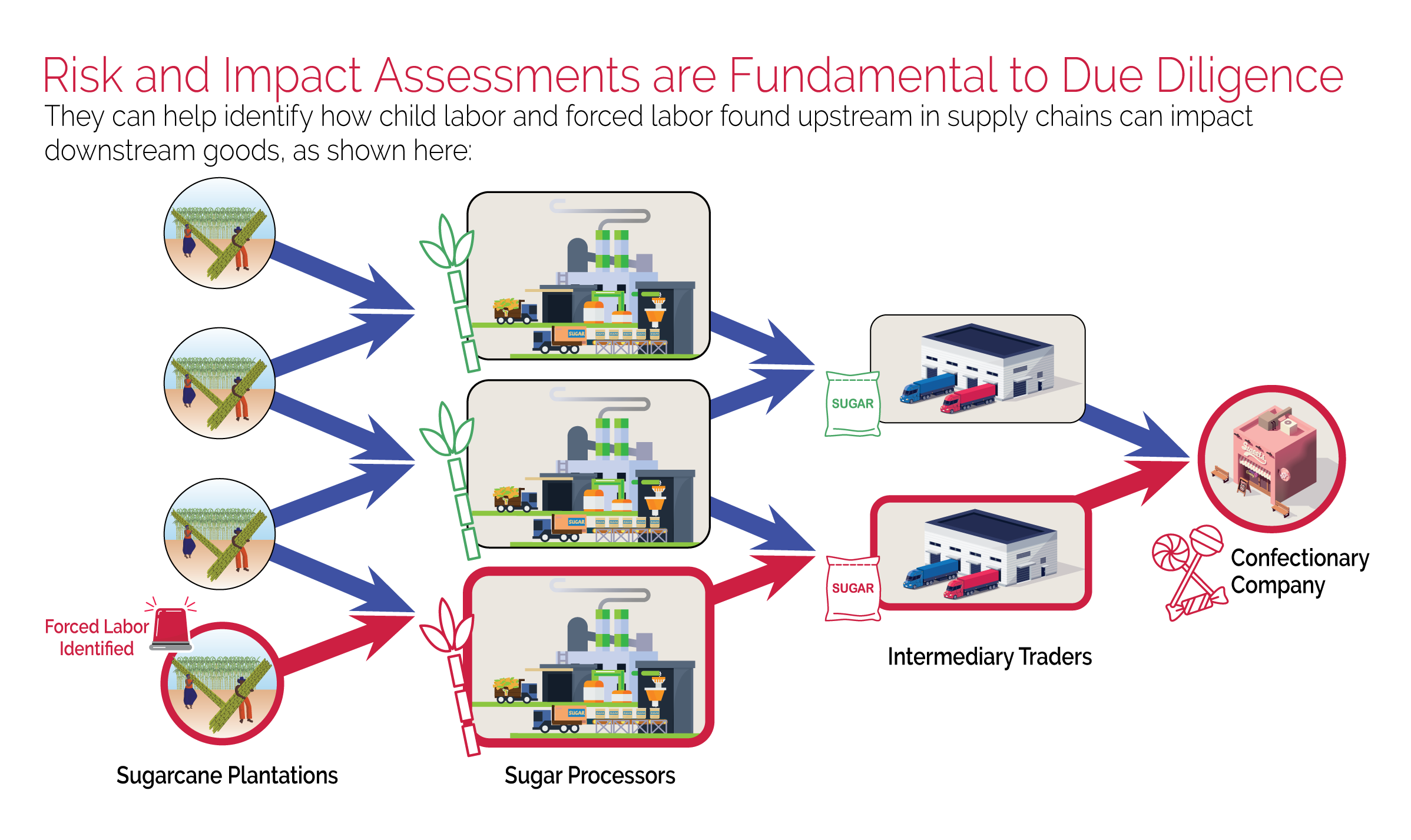
As one aspect of an effective supply chain risk assessment, companies should understand their full supply chain and be aware of practices of first, second, third, and other tier suppliers, in upstream supply chains, as well as practices of agents, vendors, or contractors.
Any company-led risk and impact assessment process should begin with a thorough examination of a company’s internal processes and practices and the ways in which it may be causing—or is at risk of causing—labor abuses.
Company activities can exacerbate risks of labor abuses, and may also contribute to social conflicts, resulting from, for example, wealth imbalances, unequal distribution of royalties, land-access issues, increased presence of security forces and involvement of illicit actors.
Supply-chain mapping must identify where risks of labor abuses lie.
Workers are key resources in establishing systems to address risk. Workers’ unique insights and experiences must be considered as primary sources of information.
The following Key Topics further explain how a company can conduct a risk assessment:
Key Topics




Examples in Action

Companies and civil society groups are increasingly turning to digital platforms as a tool to communicate with migrant workers. Some applications provide workers with peer-to-peer information-sharing and information regarding support services.
Worker Connect is a communications platform from TechSoup.* It allows workers to anonymously share feedback with companies, provides workers with information on labor laws, and gives labor due diligence professionals information to identify and address code of conduct risks and violations.

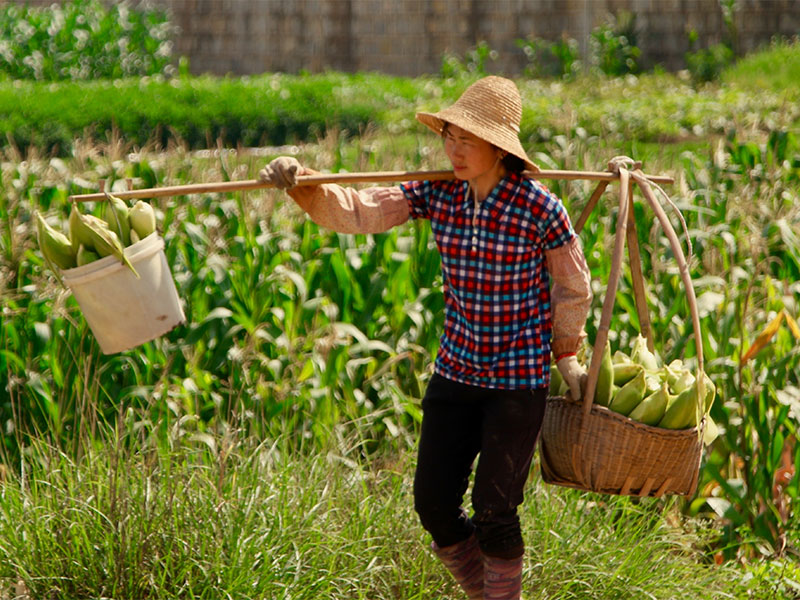
Global media outlets have generated headlines with their reporting on foreign labor abuses in a variety of activities, including in agriculture in Mexico, on fishing vessels throughout Southeast Asia, in India’s brick kilns, in cobalt mining in the Democratic Republic of the Congo, in construction work in the Middle East, and in mica mining, among others.
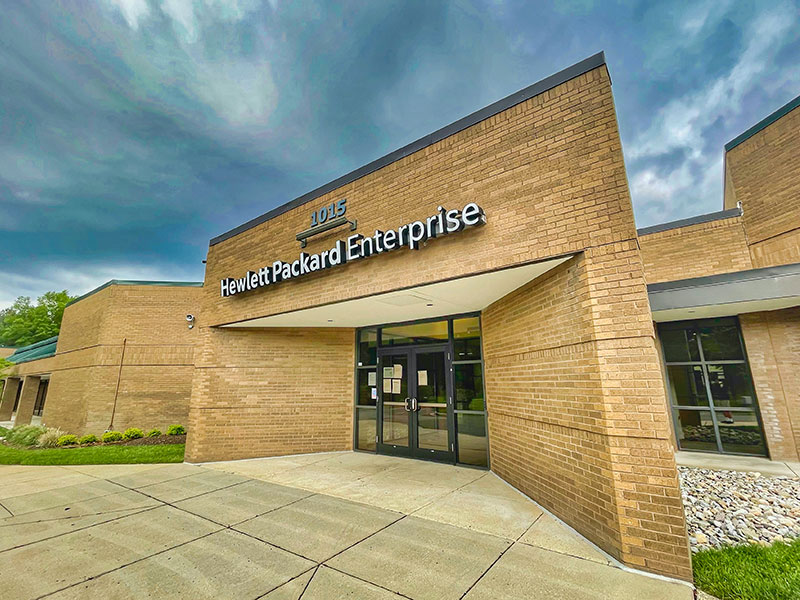
Since 2001, Hewlett-Packard Enterprise (HPE), a large U.S. multinational information technology company, has sought to retain a stable, high-quality supply chain with trusted partners through its Supply Chain Responsibility program.
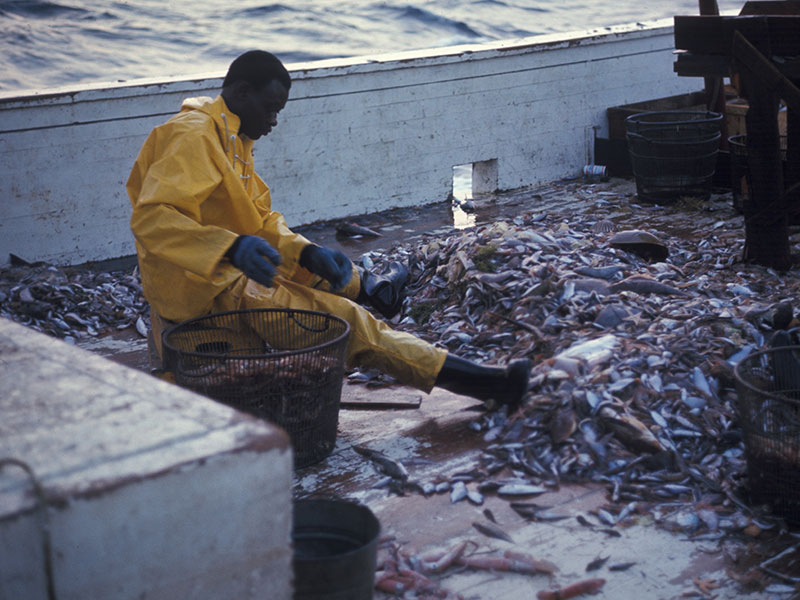
Forced and child labor are used to catch, farm and process fish and seafood around the world. Connections with illegal, unreported, and unregulated (IUU) fishing and the isolated nature of work in distant-water fishing present challenges to criminal and civil labor law enforcement.

There are a number of migrant worker recruitment agencies that aim to capitalize on growing private sector demand for labor standard compliant migrant worker recruitment, which in turn reduces exploitation in the overseas labor recruitment sector.
Further Resources
Better Buying. About Purchasing Practices. [Online, accessed February 18, 2022]; available from https://betterbuying.org/about-purchasing-practices/.
https://www.fairrecruitmenthub.org/sites/default/files/2022-03/wcms_817166.pdf.
Development Finance Corporation. Environmental and Social Policy and Procedures. January 2020; available from https://www.dfc.gov/sites/default/files/media/documents/DFC_ESPP_012020.pdf.
Business & Human Rights Resource Centre, Business, Conflict & Peace Portal; available from http://www.business-humanrights.org/ConflictPeacePortal/Home.
Internal Displacement Monitoring Centre. Global Report on Internal Displacement 2021; available from https://www.internal-displacement.org/global-report/grid2021/.
"Perspectives on Information Management in Sustainable Supply Chains." https://www.bsr.org/en/our-insights/report-view/perspectives-on-information-management-in-sustainable-supply-chains in MLA format BSR. Business for Social Responsibility, n.d. Web. 8 Jan. 2023.