


When individuals with disabilities are able to set and achieve financial goals, it opens doors to greater stability, independence, and overall quality of life. Along with the tools and resources found in each employment lifecycle of the Secure Your Financial Future Toolkit, here you will find resources to equip the staff who work with people with disabilities and their family members with tools to enable disabled people to set and achieve clear financial goals.
Frequently Asked Questions
An individual with a disability who has a legal guardian or representative payee will have more control over their financial future if they can master self-advocacy skills. "Your Money, Your Goals: Focus on People with Disabilities" Companion Guide contains financial empowerment and decision-making for people with disabilities, including those who have a legal Guardian and/or Representative Payee.
You also can help the individuals you support understand the roles and responsibilities of a Representative Payee. This guide from the Social Security Administration outlines the rights of beneficiaries and how they can work with their representative payee to manage their finances effectively.
Initiating a conversation about money management, saving, and financial goals can be done effectively by starting with the basics. Begin by discussing what money is used for and why it is important to manage it wisely. This foundational understanding sets the stage for more in-depth discussions. Utilize resources such as the STAR Goals Worksheet, which helps to set clear and achievable financial goals.
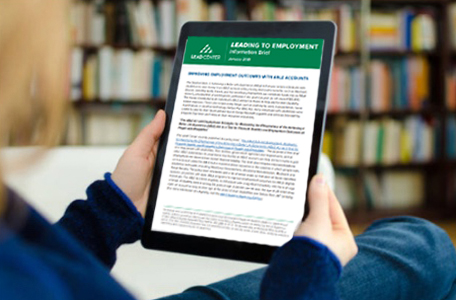
When it comes to saving, the ABLE National Resource Center (ABLE NRC) offers tools like the "Setting My Financial Goals" Guide, which contains structured approaches to goal-setting and financial planning. ABLE NRC developed a Service Provider Toolkit designed to assist service providers in introducing and explaining basic information about saving money with an ABLE account. By starting with these simple yet essential topics, you can support people to gradually build a more comprehensive understanding about money management and ways to plan for the future.
Helping an individual determine their financial goals begins with understanding their unique financial needs and priorities. The first step might be to conduct a Financial Wellness Assessment. Once their needs are clear, staff and/or family members can work with the individual to create an Action Plan that outlines the specific steps they can take toward achieving their financial goals. By taking a structured and personalized approach, you can empower people to take control of their financial future and set realistic and meaningful goals.
Resources



In Collaboration With
The LEAD WIOA Policy Department Center is led by National Disability Institute. It is fully funded as the WIOA Policy Development Center by the Office of Disability Employment Policy, U.S. Department of Labor, Grant number: OD-38977-22-75-4-11.