Header Photo Credit: Christina Morillo_Pexels
Key Points:
- Effective communication is an important aspect of any labor due diligence program and helps to ensure that key internal stakeholders and supply chain partners understand and implement codes of conduct.
- Training and communication, capacity building, and an emphasis on continuous improvement have been found to be the most effective path to sustaining progress.
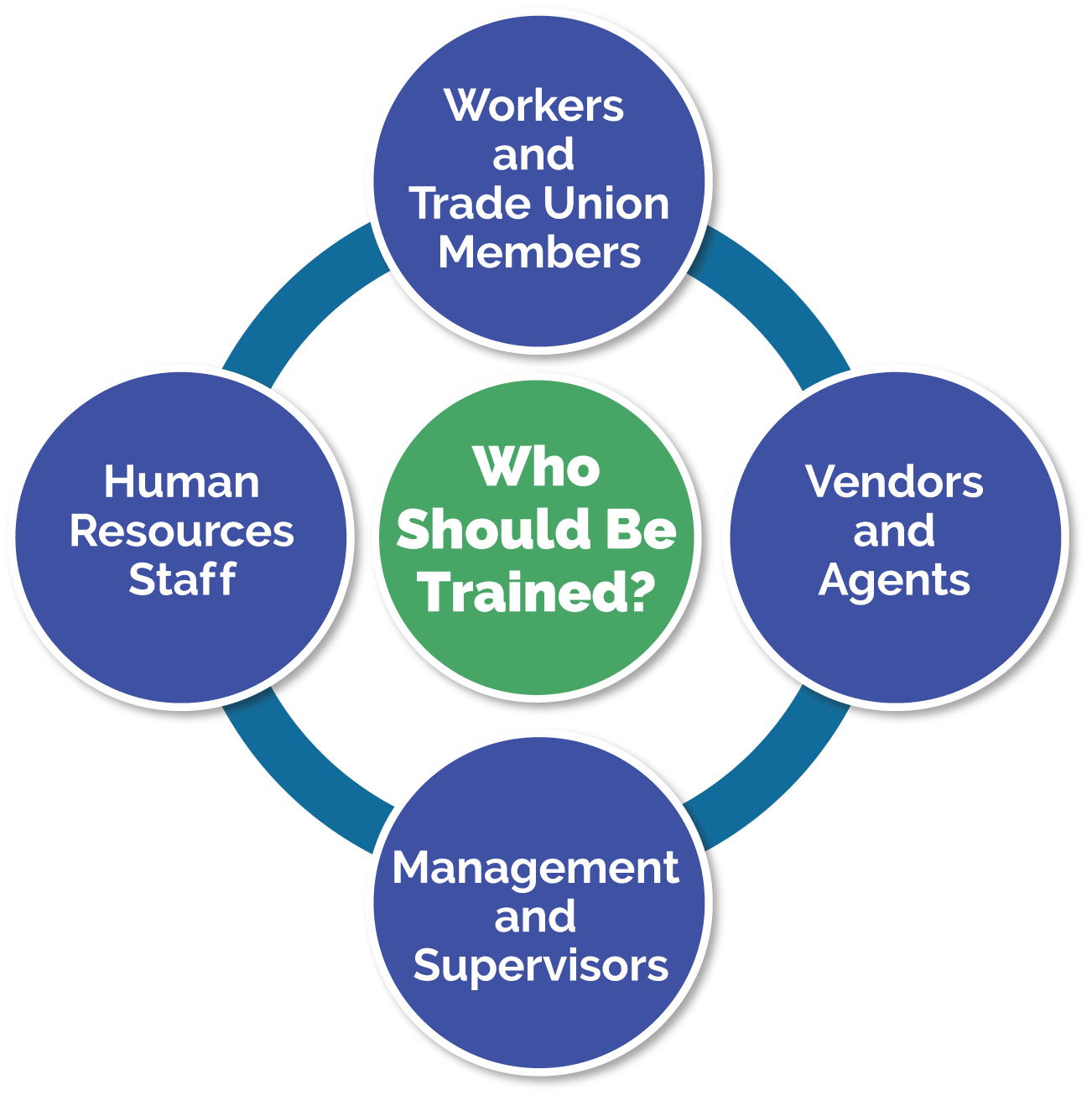
- High-quality training should be targeted to different stakeholders, including those beyond the first tier, including:
- Company employees
- Vendors or agents, if applicable
- Suppliers at various tiers of a supply chain
- Labor brokers, recruiters, and employment agencies, if applicable
- Workers and trade unions
- Communities and civil society groups
- It is important to note that in some industries some workers may not be literate. Workers who are illiterate should be informed verbally of their rights, new policies, and procedures.
- Training should be provided free of charge during paid normal working hours. Training should be delivered in the native language of the worker.
- Note that Occupational Safety and Health (OSH) is a good entry point for companies to begin engaging their suppliers on issues of labor rights, including identifying and remediating cases of labor exploitation.
- OSH is viewed as a technical issue for which improvements benefit both employers and workers.
What Topics Should a Company’s Training and Capacity Building Cover?
The company’s training and capacity-building should be led by and provided to actors outside the company, including trade unions, workers’ organizations, non-governmental organizations, and civil society organizations. Below are guidelines for the trainings and capacity-building programs:




Examples in Action

The ILO's SCORE program is a training program designed to increase the productivity of small and medium enterprises (SMEs) while promoting recognition of and respect for the ILO's international labor standards and improving working conditions.
Further Resources
- Business for Social Responsibility. “Good Practices for Complying with Licensors’ Social and Environmental Requirements: A Practical Guide for Licensees.” 2011.
- ILO and IOE. How to do business with respect for children’s right to be free from child labour: ILO-IOE child labor guidance tool for business. 2015.
- ILO-SAPFL. Combating Forced Labour: A Handbook for Employers and Businesses 2ndedition. 2015.
- International Trade Union Confederation. Mini Action Guide: Forced Labour. 2008.
- Interfaith Center on Corporate Responsibility. Best Practice Guidance on Ethical Recruitment of Migrant Workers. April 2017.
- IOM/OSCE/ILO. Handbook on Establishing Effective Labour Migration Policies in Countries of Origin and Destination. 2006.
- IOM/OSCE. Training Modules on Labour Migration Management – Trainer’s Manual. 2011.
- United Nations. Anti-Human Trafficking and Migrant Smuggling. 2010.