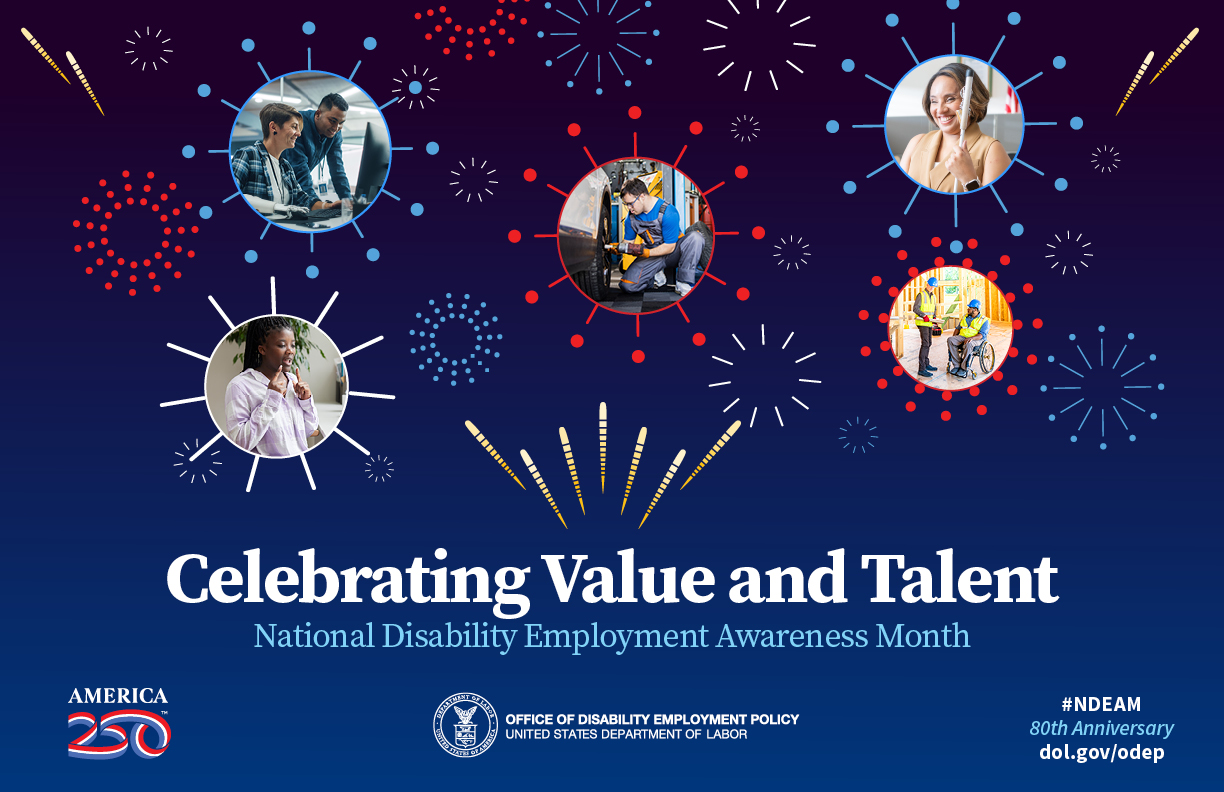
NDEAM is a great time to freshen up bulletin boards in workplaces, schools, libraries or other community locations. Start by putting up this year's NDEAM poster.
NDEAM presents an opportune time for employers to review company policies and ensure that they support the employment success of people with disabilities.
Employers may consider offering training to help supervisors understand their role in fostering a supportive business culture. Such training may include a review of relevant policies, such as the process for providing reasonable accommodations. One easy way to provide such training is to make use of available “turnkey” training modules.
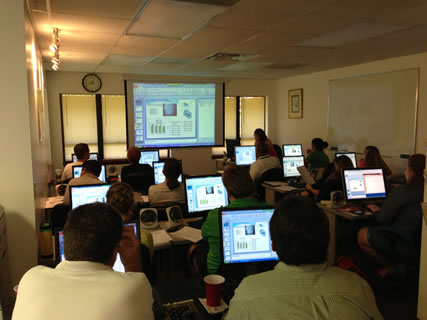
NDEAM is a great time to hold disability awareness training or informal educational events, such as brown-bag lunch discussions, for employees. Several of ODEP’s ready-to-use resources can help: Check out our disability etiquette materials or the “I Can” public service announcement and accompanying workplace discussion guide. Another option is to contact local disability organizations to see if they offer workplace training programs.
Employers, schools, and community-based organizations can announce their support of NDEAM in a press release to local media. Use our customizable “fill-in-the-blank” template.

Spread the word about NDEAM! We encourage businesses and business membership organizations to share the NDEAM explainer video through their social media platforms and other communication channels. This video provides an overview of NDEAM, the spirit behind this year’s theme, and resources to help organizations take part.
How are you celebrating NDEAM? Share it on social media and let us know. Also, check out our sample key messages to help you incorporate NDEAM into your posts.
Upload the virtual background and show your NDEAM spirit in your online meetings and continue to use it as we lead up to America’s 250th anniversary in 2026.
_Virtual%20Background1.png)
A company-wide email or other communication from leadership is a simple and effective way to honor NDEAM and build a supportive workplace environment. Messaging can promote the organization’s support for NDEAM, highlight its accommodation policy, and inform employees about other disability-related resources and how to access them. The email can also include this year’s NDEAM poster and/or a link to the NDEAM explainer video.
NDEAM is a good time to evaluate accessibility—both physical and digital—in the workplace. Companies can ask for direct feedback from employees and job applicants, through surveys or other channels, to identify barriers that people with disabilities may be experiencing. ODEP offers a range of resources to help employers foster an accessible and welcoming workplace.
The Federal Government and many state governments offer tax incentives to help businesses hire and retain workers with disabilities and improve accessibility for both employees and customers with disabilities. Make a plan during NDEAM to learn more about the incentives available to you, including the Work Opportunity Tax Credit, Disabled Access Tax Credit, and Architectural Barrier Removal Tax Deduction.
Not all disabilities are visible. In a supportive workplace, people are mindful of obvious and nonobvious disabilities, such as mental health conditions and neurodiversity. Take the opportunity during NDEAM to learn more about both neurodivergence and creating a mental health-friendly workplace.
Celebrate NDEAM in school to raise awareness about disability employment. For example, faculty advisors can encourage the student council to invite a local community leader with a disability to a meeting to speak about his or her experiences. Faculty can also suggest including an NDEAM-related interview or article in a student newspaper, blog, or podcast.
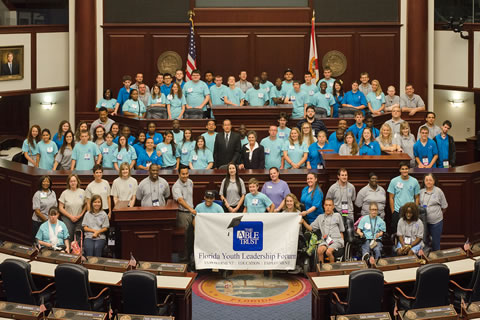
Are you looking for content for your upcoming association or union newsletter? Spread the word about NDEAM! Include an article in your next issue informing members about NDEAM and giving ideas for suitable NDEAM-related activities in your members’ organizations. If you prefer, you can also tailor our NDEAM “drop-in” articles for your next newsletter or magazine.
Whether you're an employer, school, or service provider, you can highlight your commitment to disability employment by featuring an NDEAM link on your organization’s website. Use a thumbnail image of the NDEAM poster or a simple text headline and link it to NDEAM content (e.g., an article on your website or ODEP’s NDEAM page).
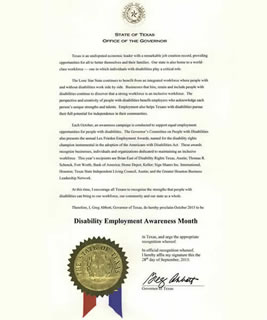
State and local officials can sign a proclamation recognizing NDEAM, promote NDEAM in the community and/or through the local media, and post the signed proclamation in their organization’s office or other facilities.
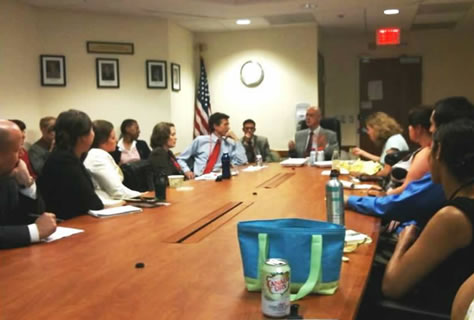
Disability organizations can sponsor an NDEAM management breakfast or brown-bag lunch—an informal seminar or panel presentation for local employers on the topic of disability employment and its associated benefits. Organizations can also promote their own advocacy efforts and potentially gain additional sponsorship and support from local businesses.
Disability-related organizations can increase their visibility through local TV, radio, digital, or print media during NDEAM. Write an op-ed or letter to the editor about the value and talent that people with disabilities bring to the workplace and community, or encourage local media to run a feature on local employers taking part in NDEAM.

During NDEAM—and year-round—federal employers can tap into the Workforce Recruitment Program (WRP) talent database to find qualified, prescreened college students and recent graduates with disabilities to fill summer internship or permanent positions. The WRP, which is coordinated by ODEP and the U.S. Department of Defense, updates its database of participants annually.
The Job Accommodation Network (JAN) is an ODEP-funded technical assistance center that provides employers, service providers, and individuals with free, confidential, and expert one-on-one guidance on workplace accommodations and disability employment issues. Contact JAN anytime online at AskJAN.org or by phone at 800-526-7234 or 877-781-9403 (TTY).
Job applications and employee onboarding processes are increasingly conducted online, so employers must ensure that all qualified applicants can get their foot in the “virtual” door. NDEAM is a good time to assess the accessibility of your organization's online recruiting operations. Check out JAN’s A to Z: Accessibility for more information.
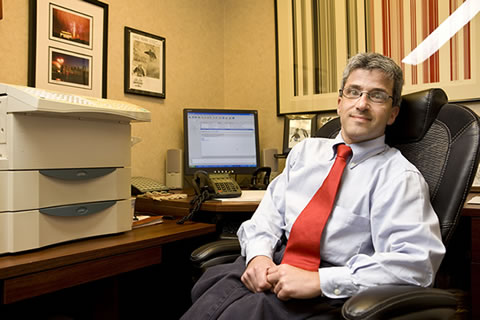
Employers can act now to expand employment opportunities for people with disabilities. Start by joining a business organization committed to disability employment.

The Veterans Accommodations Toolkit supports success for disabled veterans in apprenticeships and other employment settings. Developed collaboratively by ODEP and the Veterans’ Employment and Training Service, the toolkit offers tips and strategies to help organizations assess whether their accommodation policies and processes support disabled veterans.
Consider showing the Campaign for Disability Employment’s (CDE) “Working Works” public service announcement (PSA), which explores the many reasons employment is important, including after an injury or illness. Through the voices of several individuals, among them Major League Baseball great Cal Ripken Jr., the PSA also touches on the roles of different people—including employers, colleagues, health care professionals, and family members—in helping workers who acquire disabilities to stay in the workforce. You can also use one of the PSA’s three accompanying discussion guides to raise awareness about stay-at-work/return-to-work strategies among your coworkers, employer representatives, or health care professionals.
The CDE’s “Because” PSA highlights the positive power of expectations, especially for young people with disabilities. The PSA features seven people who lived up to their expectations of employment and achieved their goals, with the support and encouragement of the people in their lives. Consider sharing the PSA with colleagues, friends, and loved ones during NDEAM to reinforce the importance of positive expectations in the employment of people with disabilities.
NDEAM is a natural time for state governments to commit or reaffirm their commitment to hiring qualified people with disabilities. Many state governments have “state as model employer” (SAME) policies that codify this commitment. Learn more about SAME in this ODEP-funded resource developed by the National Governors Association: State Government as a Model Employer for People with Disabilities: A Playbook for Governors.
In the CDE's “Who I Am” PSA, nine real people with disabilities demonstrate that their disabilities are only one part of their identity. Rather than being defined by disability, they are the sum of their many life roles—which include working in jobs they love. NDEAM is a great time to share this PSA and spread its important message.
If your workforce needs a refresher on the accommodations process, now’s the time. NDEAM offers an opportunity to remind supervisors and employees about how to identify effective accommodation solutions for their specific circumstances. Use JAN’s Situations and Solutions Finder, which offers more than 700 searchable examples of real-life accommodations that organizations of all sizes and industries have used successfully, in both the private and public sectors.
During NDEAM, employers can proactively advertise job openings to candidates with disabilities. Strategies include outreach through American Job Centers, state vocational rehabilitation agencies, employment networks under the Ticket to Work program, independent living centers, and U.S. Department of Veterans Affairs regional offices. Disability student services offices at educational institutions, nonprofits, and social service agencies may also be of assistance.
In the CDE’s “Mental Health at Work: What Can I Do?” PSA, four people in various workplace roles—CEO, manager, coworker, and employee—each share what they can do to promote workplace well-being. From setting the tone for a supportive work environment and providing accommodations to being a source of support to peers and colleagues, the PSA illustrates the contributions people can make at every level of an organization. NDEAM is a great time to share this PSA to spark discussion about fostering a mental health-friendly culture.
The purpose of NDEAM is to foster a workforce where every person is valued and recognized for his or her abilities—every day of every month.
Subscribe to ODEP’s weekly News Brief to stay abreast of topics and trends in disability employment all year round!